Build Green Environments for Future Resilience
Driving Low-Carbon Transformation
As the key department responsible for the development and maintenance of public facilities in Hong Kong, the ArchSD is committed to leveraging our expertise, reach and partnerships to advance low-carbon building design, construction and practices.
Carbon Neutrality Strategic Framework
To align with Hong Kong’s Climate Action Plan 2050 and its Energy Saving and Green Buildings Strategy, we have formulated the “3A Strategy”, namely Amplify, Accelerate and Act Together under our Carbon Neutrality Strategy Framework to speed up the progress in decarbonising Hong Kong’s built environment.
3A Strategy

To adopt performance-based approach to go beyond and above statutory requirements and apply green and high productivity construction technologies to maximise decarbonisation performance in projects.

To explore, develop and adopt smart and advanced technologies to accelerate low-carbon transformation in our projects.

To work hand-in-hand with stakeholders to combat future climate challenges and build the carbon neutral future together.
To address the increasing demand in achieving a low-carbon built environment, we are integrating carbon appraisal in our projects and building up our capabilities and capacity with a view to progressing low-carbon building designs. Through the collection, analysis and tracking of carbon performance in projects, a holistic overview of carbon performance can facilitate deep decarbonisation as well as the setting of overarching decarbonisation strategies in Hong Kong’s built environment.
Visit our website to learn more about our Carbon Neutrality Strategic Framework and 3A Strategy.
Sustainable Building Design Strategies
Our strategy for sustainable building design goes beyond statutory requirements to maximise decarbonisation performance. We achieve this by widely adopting integrated passive and active design approaches. Through meticulous planning, optimal site orientation and strategic material selection, we create resilient, energy-efficient and future-ready buildings that harmonise with their microclimate environments.

Mitigating urban heat island effects

Optimising natural ventilation around buildings

Maximising daylight penetration

Enhancing passive cooling
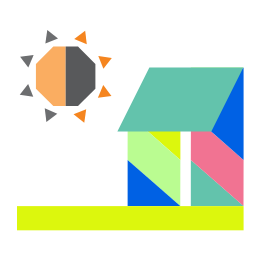
Reducing heat gain through building envelopes
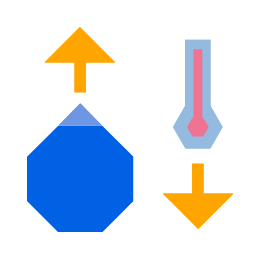
High-efficiency heating, ventilation and air conditioning (HVAC) systems and water-saving devices

Energy-efficient lighting systems
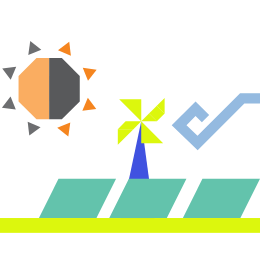
Renewable energy technology application and integration
High-Productivity and Innovative Construction
To accelerate the low-carbon transformation of our projects, we are adopting green, high-productivity construction technologies and methods. Technologies such as Building Information Modelling (BIM), Modular Integrated Construction (MiC) and Multi-trade integrated Mechanical, Electrical, and Plumbing (MiMEP), are extensively used in close collaboration with industry partners and contractors. Additionally, we are promoting the application of robotics, AI, applied R&D, new materials and digitisation to enhance energy and resource efficiency, as well as overall cost-effectiveness.
In 2024, we launched a self-developed BIM tool, “ArchSD BIMate” aimed at seamlessly integrating resources and utilizing AI technology to develop application tools and plugins. This development provides clear strategies, standardizes the modelling methodologies and promotes automated checking to ensure a smooth project delivery process.
As an all-in-one solution, “ArchSD BIMate” provides users with direct access to BIM resources, significantly enhancing efficiency. By applying automated tools, teams can collaborate more effectively and accelerate the pace of innovation. This development reflects the ArchSD's commitment to advancing digital construction, fostering intelligent workflows, and delivering higher-quality projects for the industry, leading the construction industry towards greater achievements.
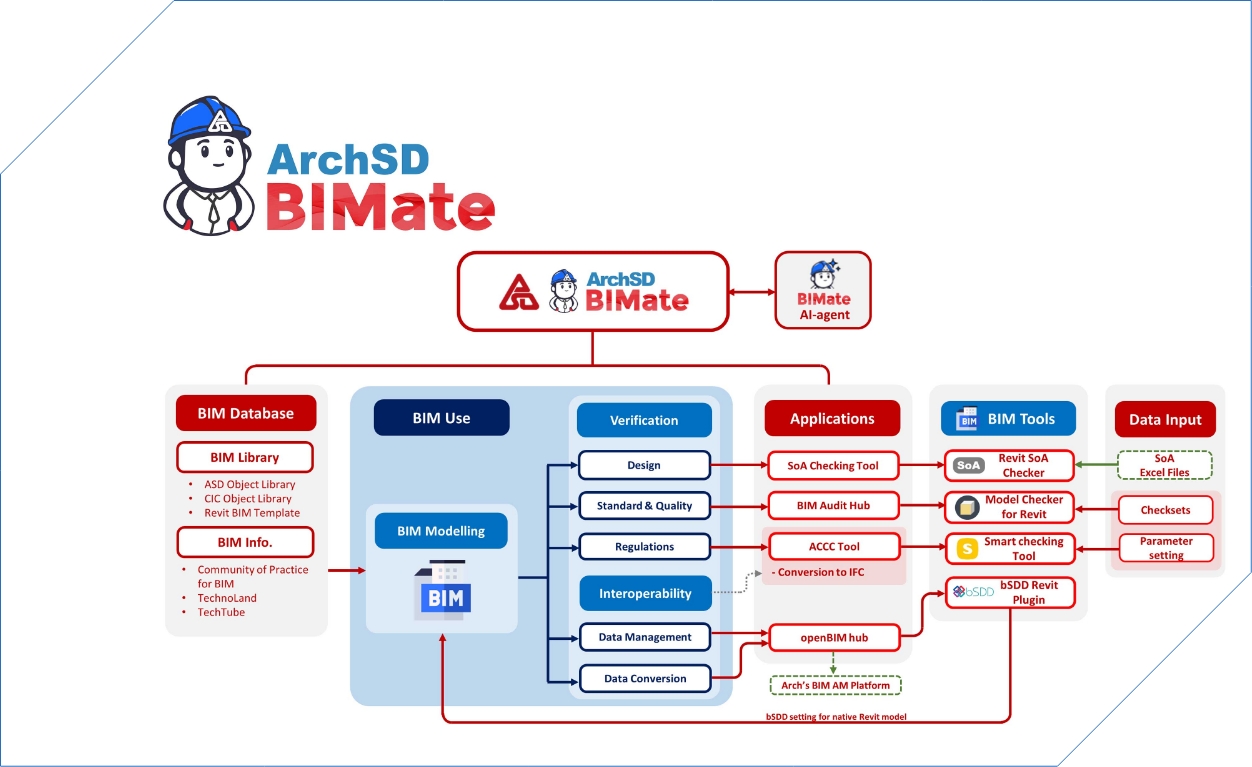
ArchSD BIMate
Building on our innovative construction methods, we also apply Heritage Building Information Modelling (HBIM) technology for facilities development, upkeep and heritage conservation to preserve cultural legacy. Our approach includes:

Minimising impact on historic buildings

Prioritising in-situ materials for repair and restoration

Preserving original materials and furniture during alterations for future reuse
Advancing Green Building Excellence
Pursuing green certification can enhance environmental and sustainability performance. The ArchSD has strategically adopted the BEAM Plus standards to ensure industry-leading performance. As of December 2024, 63 new buildings were certified under BEAM plus (New Buildings); 5 office interiors achieving BEAM Plus Interiors certification; and 3 existing buildings recognised under BEAM Plus Existing Building (Selective Scheme).
BEAM Plus-Certified Buildings up to 2024
| Type of Certificates | Rating | Sub-total | |
|---|---|---|---|
| BEAM Plus (New Buildings) Certification* (Versions 1.1, 1.2, 2.0) | Platinum | Gold | |
| 19 | 44 | 63 | |
| BEAM Plus (Interiors) Certification (Version 1.0) | Platinum | ||
| 4 | 4 | ||
| BEAM Plus (Interiors) Certification (Version 2.0 – Non-residential) | 1 | 1 | |
| BEAM Plus Existing Building (Version 2.0 Selective Scheme) Certification | Excellent | Satisfactory | |
| 2 | 1 | 3 | |
*Reference to specific versions of BEAM Certificate: Version 1.1 – BEAM Plus New Buildings, 2010; Version 1.2 – BEAM Plus New Buildings, 2012; and Version 2.0 – BEAM Plus New Buildings, 2019.

