

Redefining Urban Sustainability
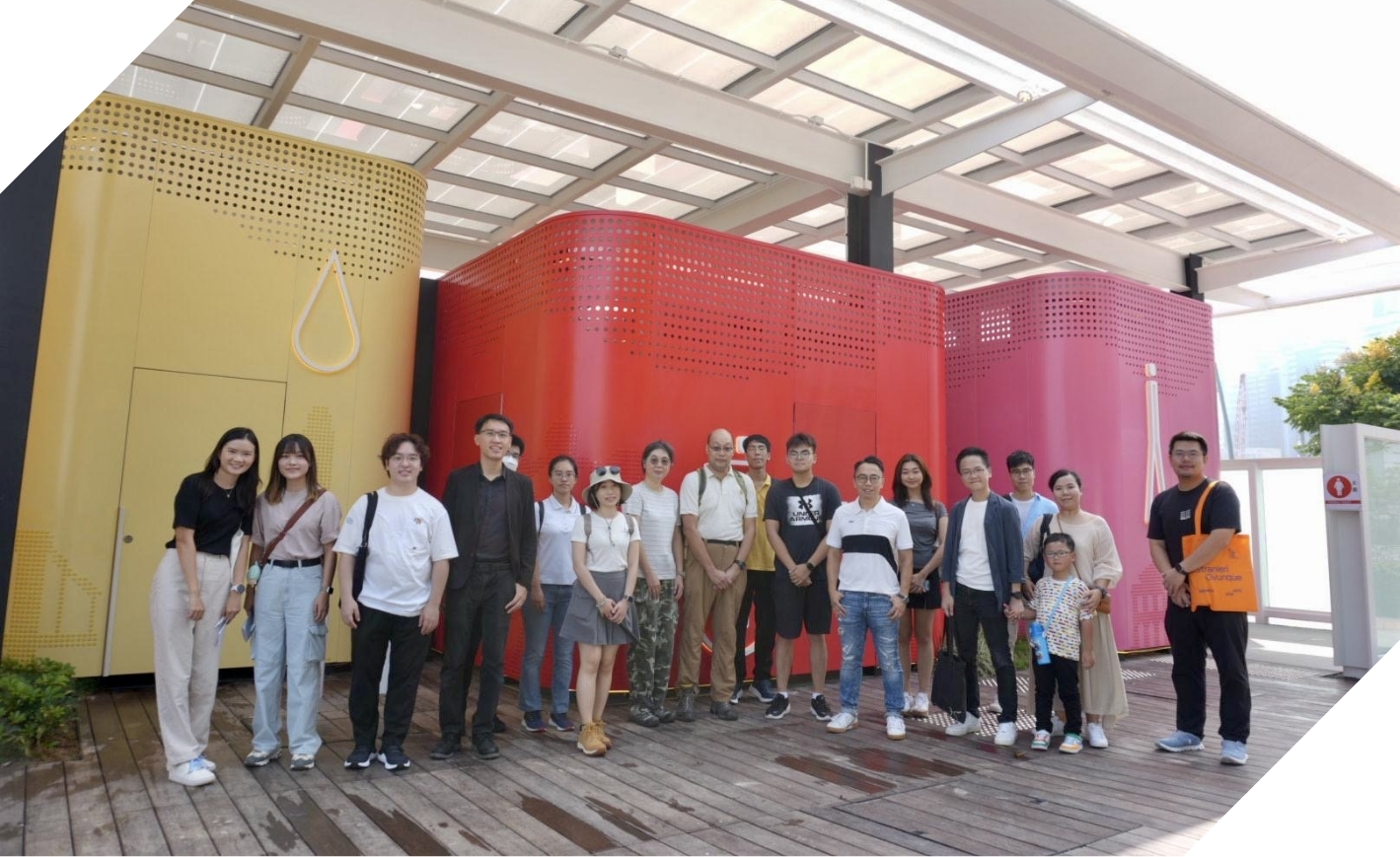
In the heart of Hong Kong’s bustling waterfront, a once-ordinary public toilet has been revitalised into a dynamic urban oasis. Combining low-carbon innovation, inclusive design and outdoor amenities, this refurbished facility at the Central and Western District Promenade now serves as a vibrant community hub.
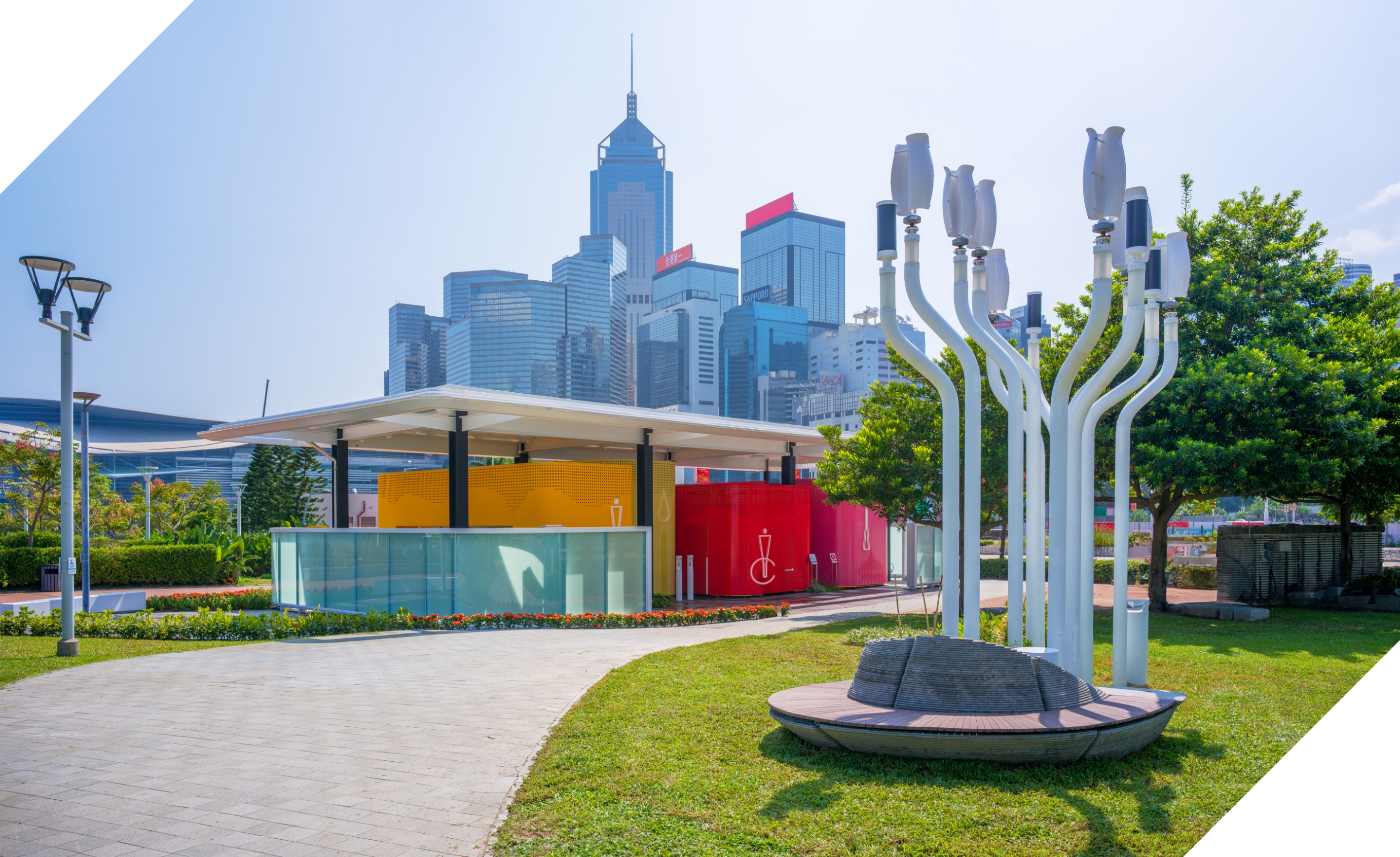
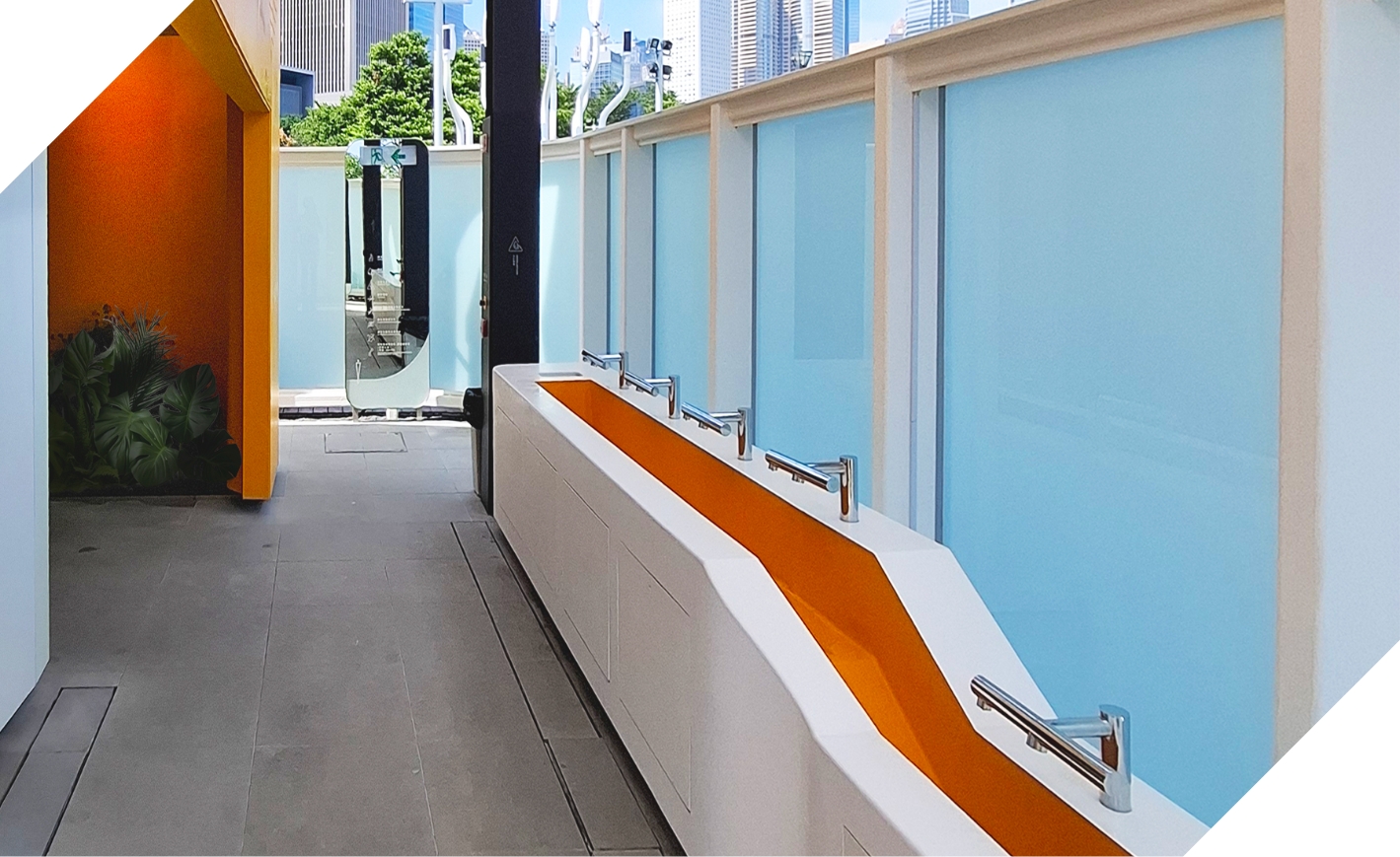
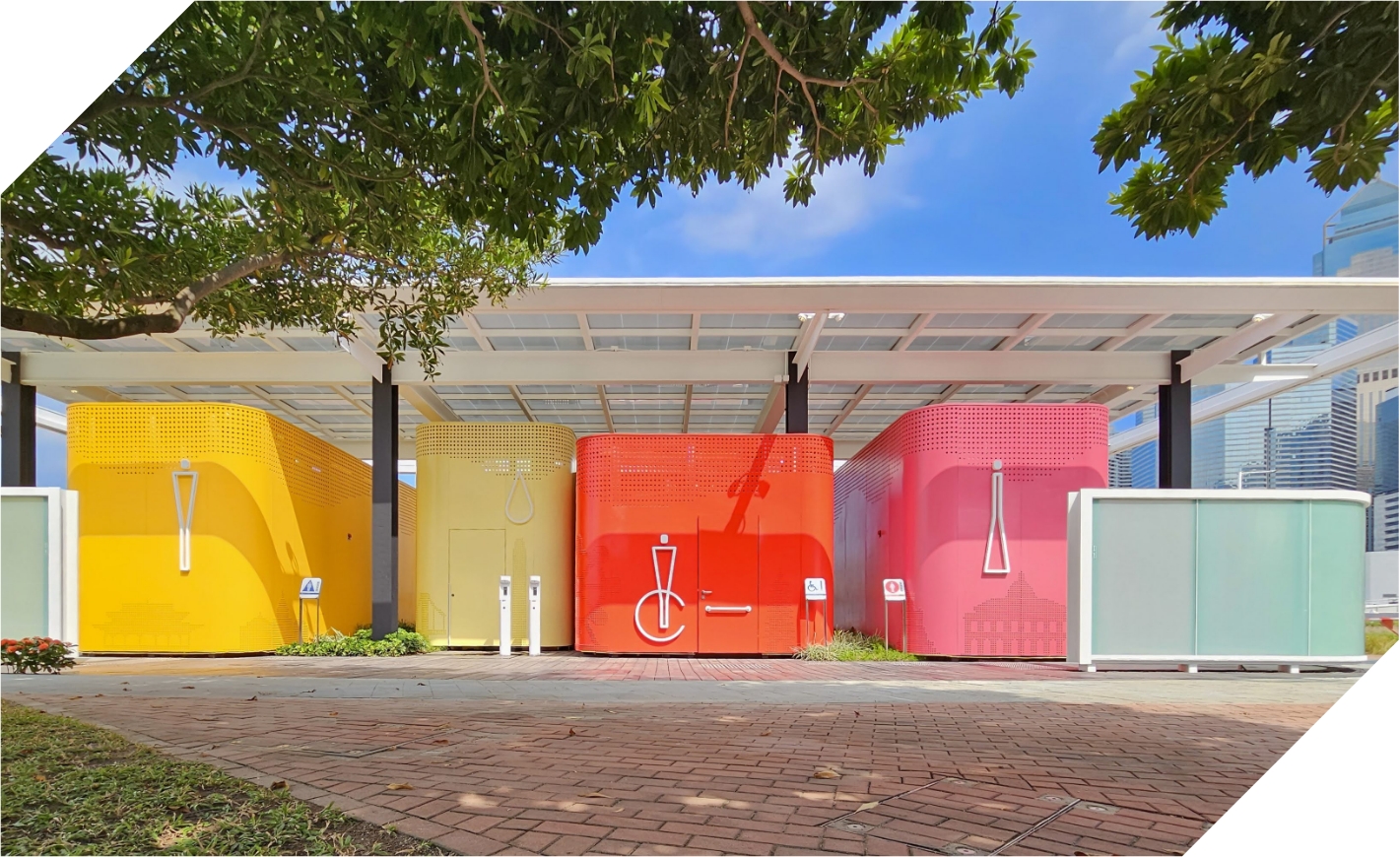
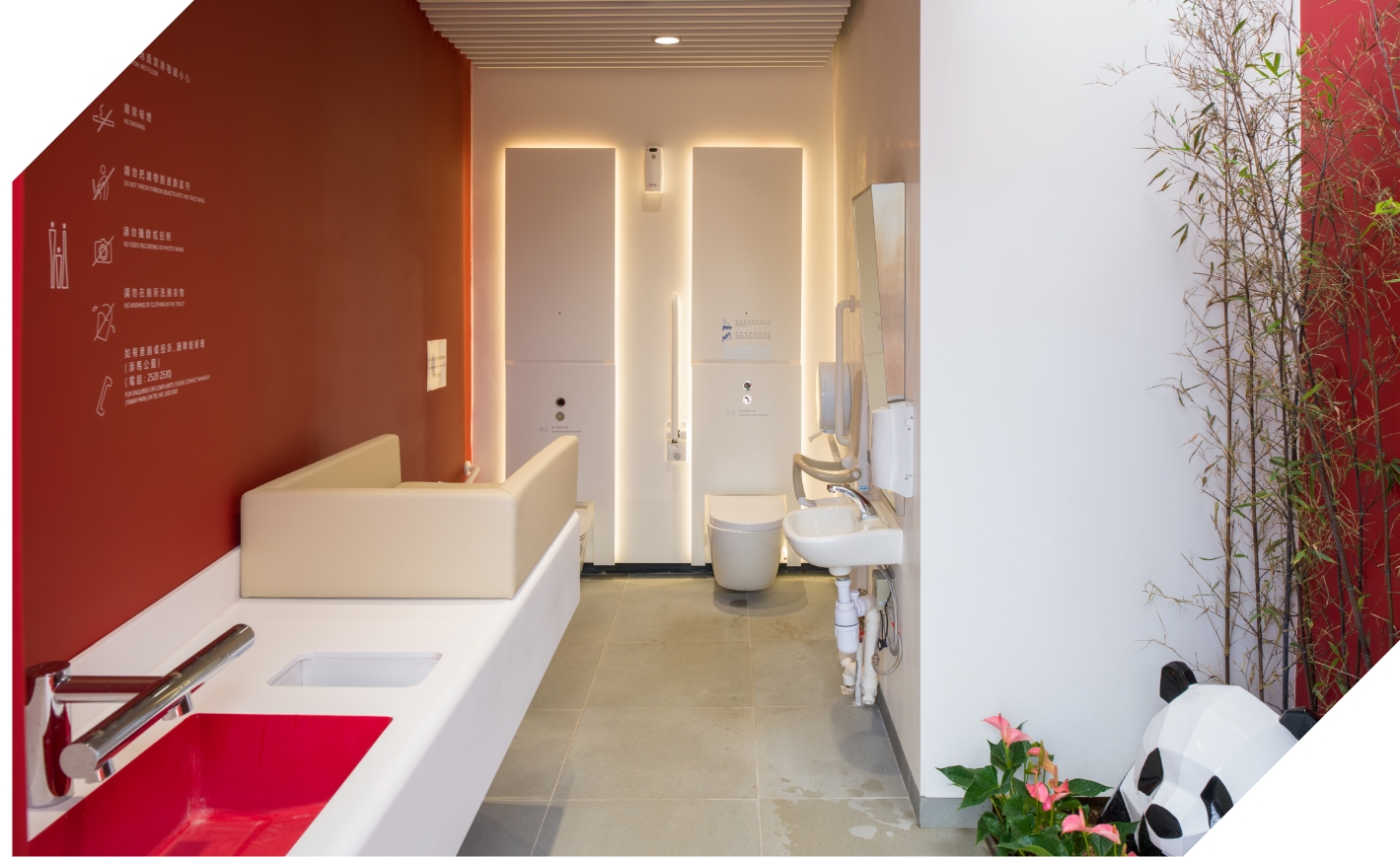
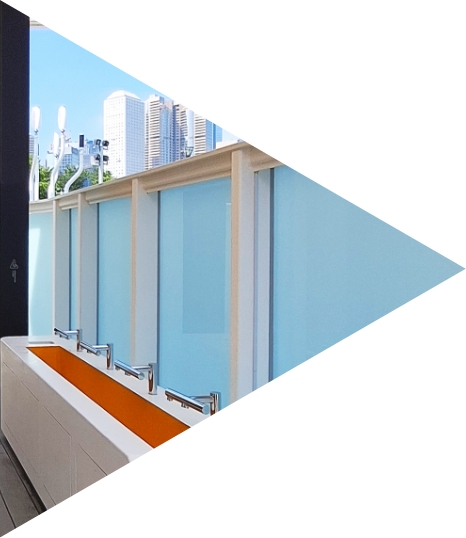
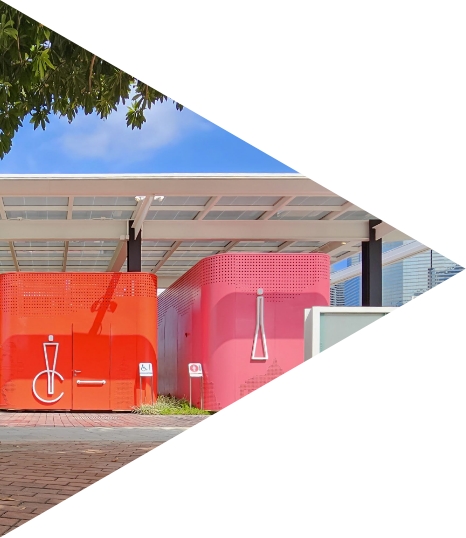
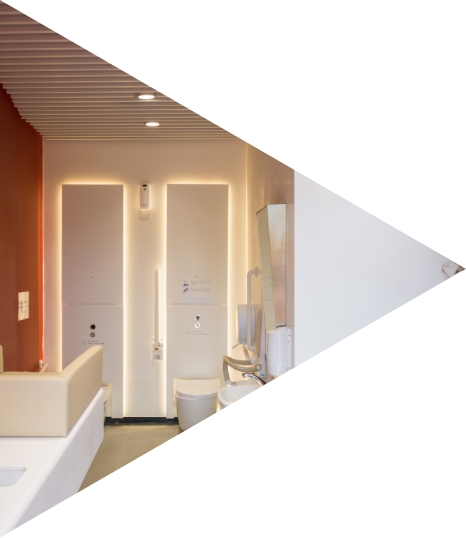
Award-winning and human-centric, the new facility is designed for diverse users. It features a family-friendly toilet, inclusive unisex facilities, water bottle fillers, and resting benches—catering to outdoor lifestyles while providing spaces for relaxation and social interaction. Passive design strategies, including an internal vegetated landscape for cross-ventilation and a semi-open façade for natural daylighting, enhance user comfort while reducing energy demand. The façade with vibrant colour palette incorporated with featured urban skyline, echoes the Promenade’s greenery to create an iconic landmark.
Advancing Net zero is central to the design. By retaining the existing structure and systems, employing 3D concrete printing technology and utilising low-carbon materials—such as green concrete, glassfibre-reinforced plastic for facades, recycled palm fibres for cubicle partitions, and recycled glass for walls—the project achieved a remarkable 60% reduction in embodied carbon through a circular economy model. Renewable energy systems—including air-improvement photovoltaics (PV), a solar tree with wind turbines, and walkable PV paving—further slashed operational carbon emissions by 70%.
Key Features
The Pet Garden Toilet Blocks redefine urban sustainability. Achieving a 60% reduction in embodied carbon and 70% in operational emissions through sustainable design and renewable energy.


LEARN MORE

This groundbreaking project has earned international acclaim, including the A’Design Award, Architizer Award, Greater Bay Area Urban Design Award, Green Good Design Award and HKIPM Award —demonstrating a transformative approach to sustainable architecture in Asia’s urban landscapes.

Strategic collaboration with local universities and research institutes advances adoption of 3D printing technology.

Integration of passive design, use of recycled materials and renewable energy showcases Hong Kong’s commitment to promoting a low-carbon city.

