

HBIM for Cultural Heritage Conservation
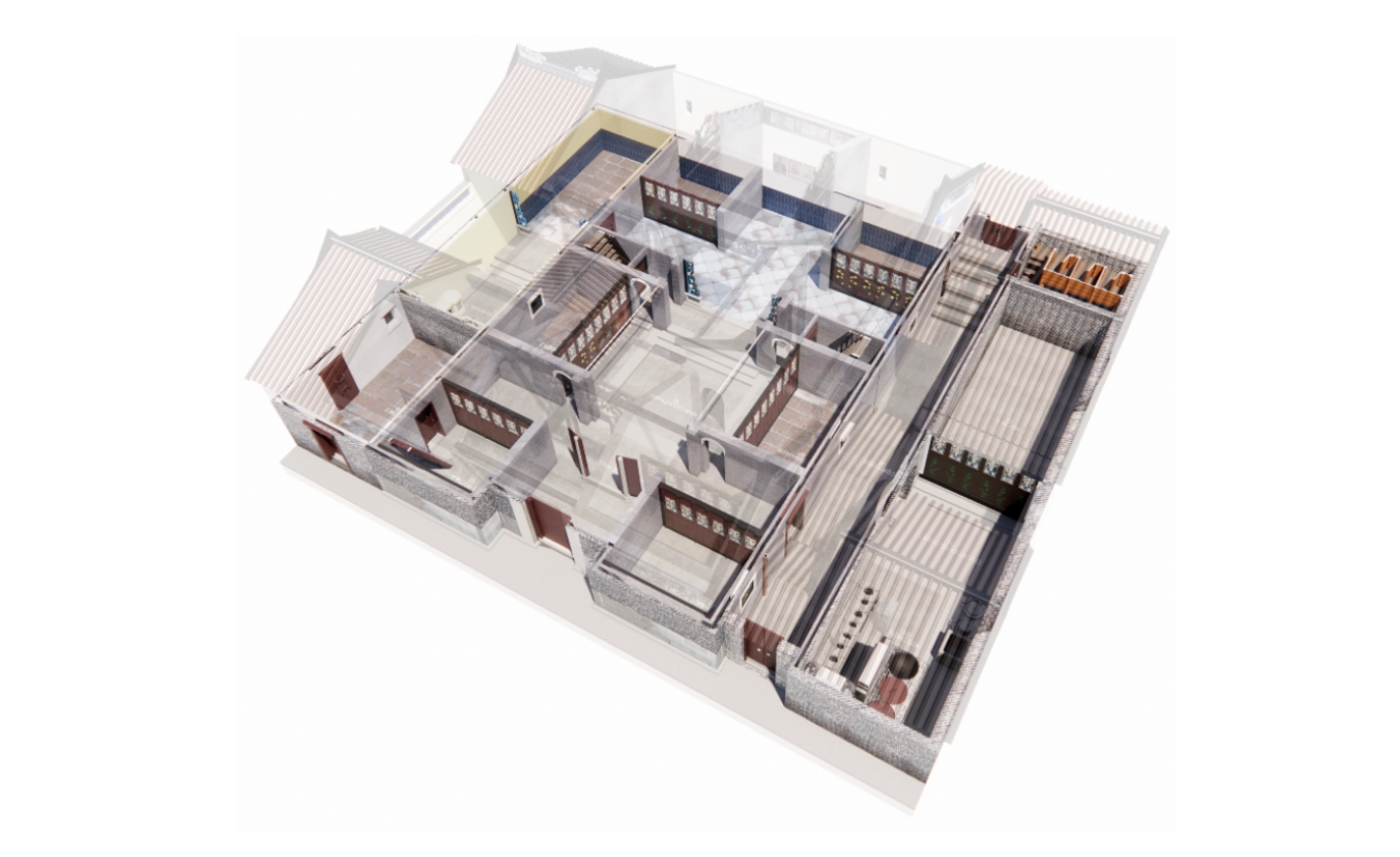
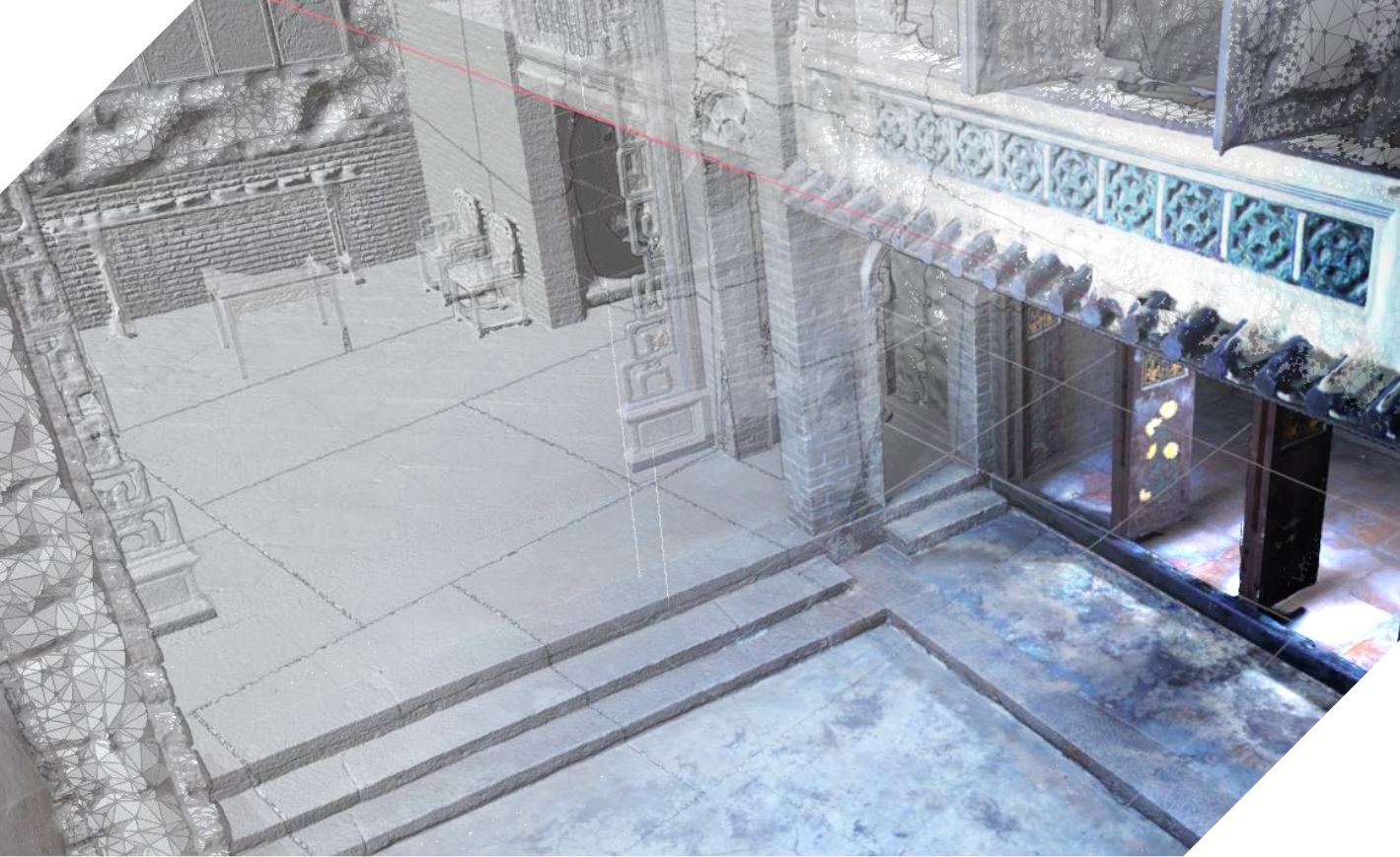
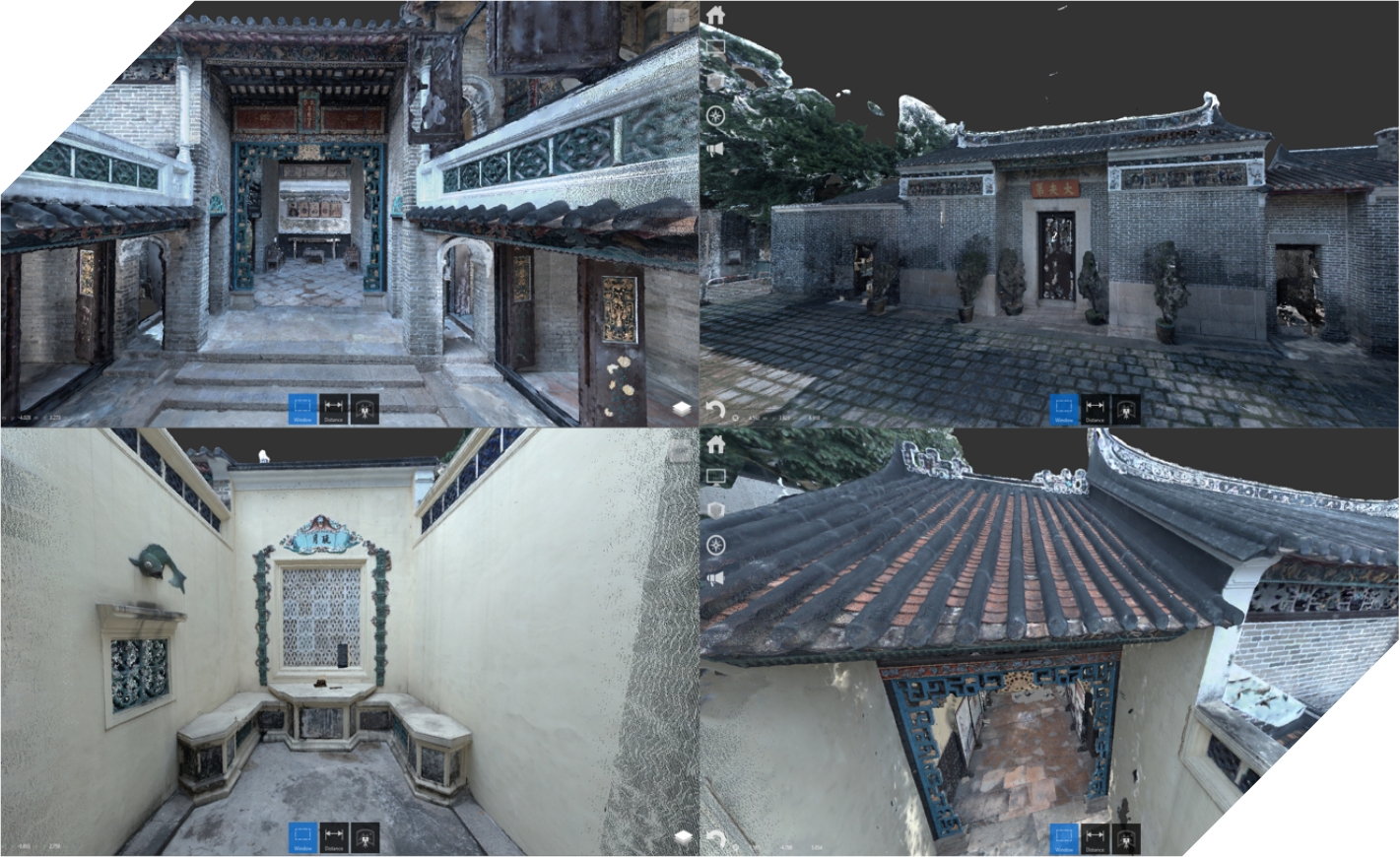
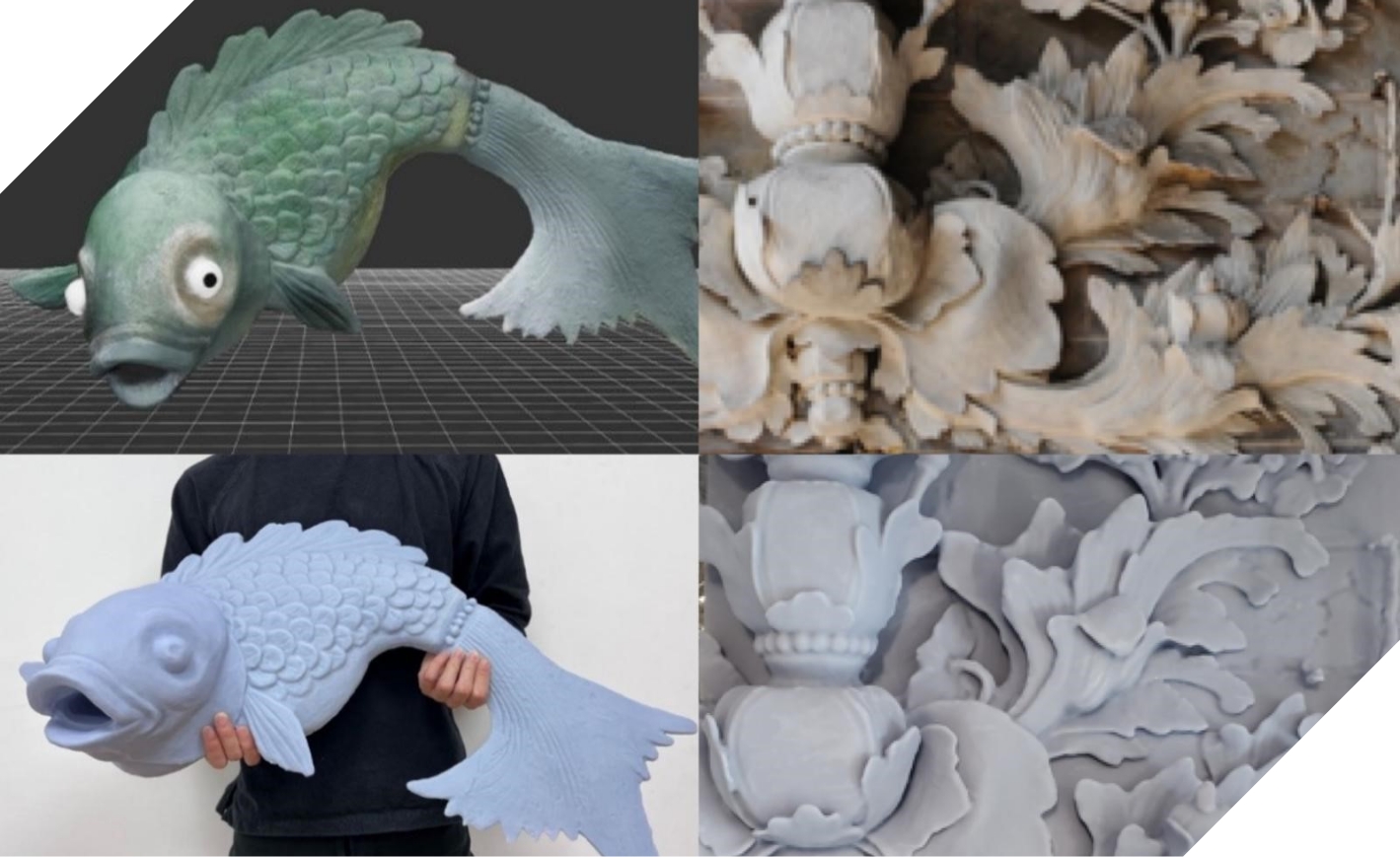
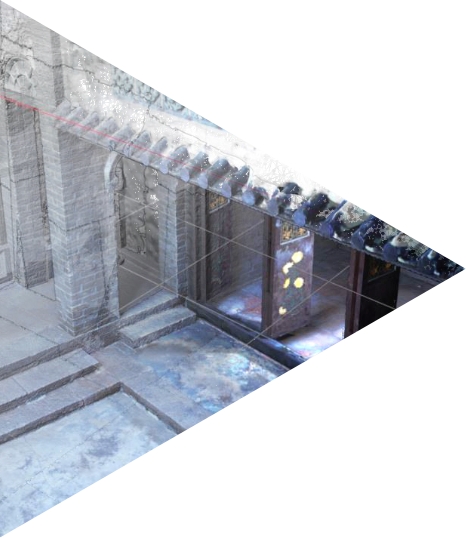
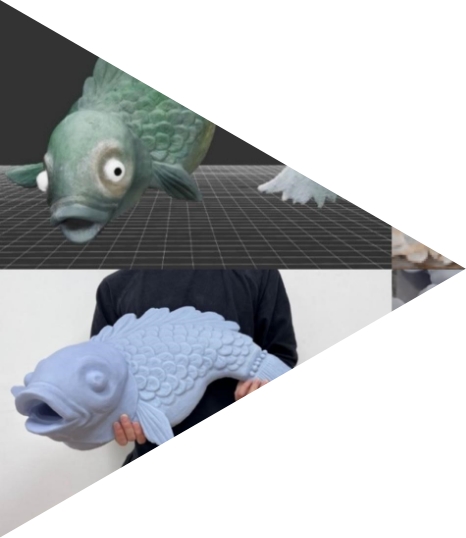
The ArchSD has launched a groundbreaking initiative by implementing Heritage Building Information Modelling (HBIM) at Tai Fu Tai Mansion—Hong Kong’s first government-owned Chinese-style historic monument to adopt this technology. This pilot project sets a new benchmark for heritage conservation, combining advanced 3D photogrammetry, historical research, and 4D animations to create a comprehensive digital record of the mansion’s architectural evolution and historic features (1865–2021), thereby enabling precise maintenance, management, and long-term preservation of this cultural treasure for future generations.
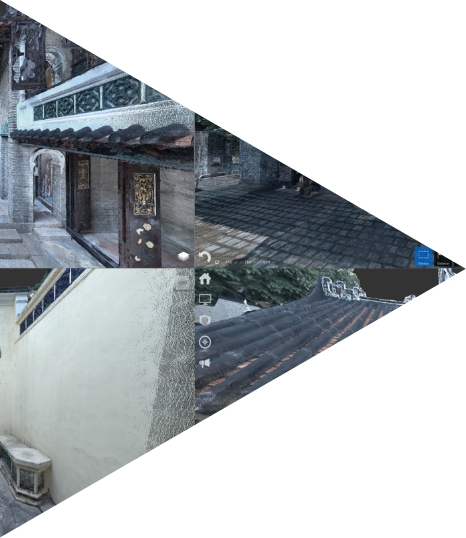
The HBIM platform serves as an interactive conservation tool, allowing users to visualise, share and navigate detailed heritage data, including the building’s dimensions, conservation status, and character-defining elements (CDEs)—from intricate Lingnan Guangfu decorative lime plaster moulding to traditional timber pitched roof structure.
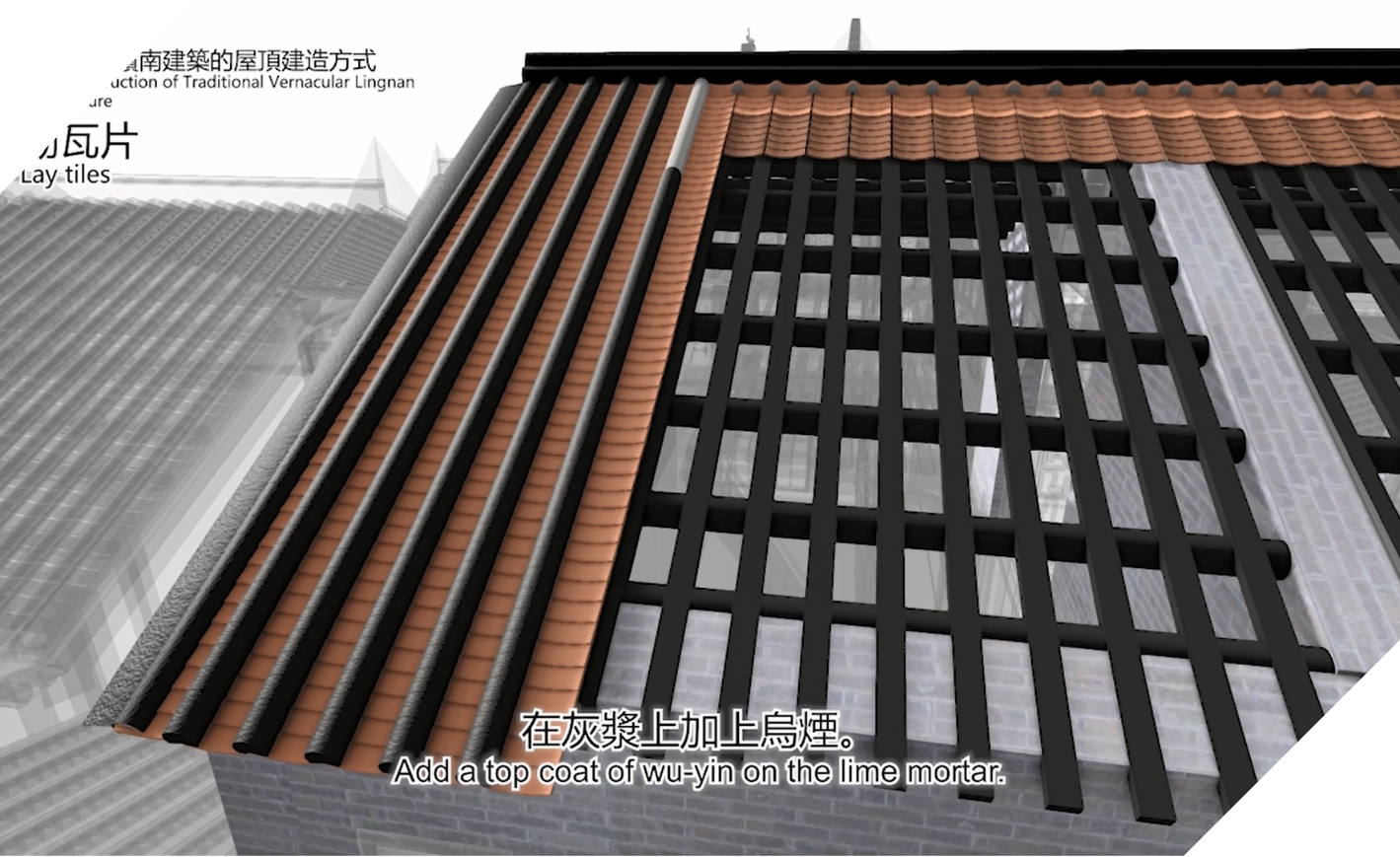
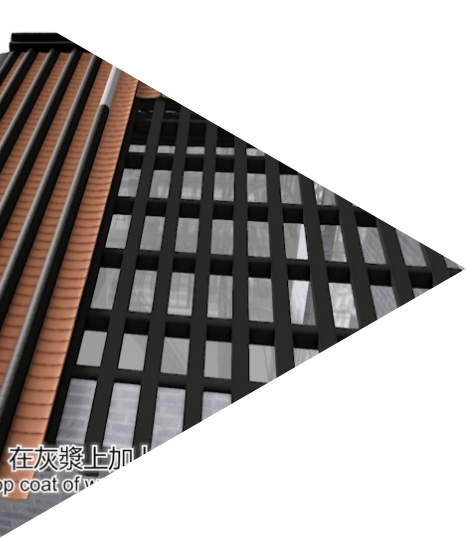
By digitally reconstructing traditional construction sequences and techniques through 4D animations, the ArchSD bridges the gap between artisan skills and cutting-edge technology, preserving invaluable craftmanship knowledge in an enduring digital repository. This innovative approach not only enhances conservation efficiency but also safeguards Hong Kong’s cultural legacy through digital archiving and precision restoration.
Visit our website to learn more about implementation of HBIM at Tai Fu Tai Mansion.
Key Features
Tai Fu Tai Mansion—Hong Kong’s first government-owned Chinese monument to utilise BIM for heritage conservation. The detailed 3D model documents the building’s dimensions, conservation status and CDEs, providing a benchmark for future restoration and maintenance.

LEARN MORE

Tai Fu Tai Mansion was declared a historic monument in 1987. The full restoration of Tai Fu Tai Mansion was completed in 1988 under the supervision of the Antiquities and Monuments Office and the ArchSD.

Tai Fu Tai is a fine example of a traditional dwelling of the scholar-gentry class in southern China and one of the most beautifully embellished historic buildings in Hong Kong.

Built in 1865 in the Qing dynasty, the Mansion served as the residence of Man Chung-luen (the Man clan) originated in Sichuan, finally settled in San Tin, Yuen Long in the 15th century.

