The detail of this page
Cattle Depot Art Park
Description
The Cattle Depot Art Park, is a revitalization project for the Rear Portion of the former Ma Tau Kok Animal Quarantine Depot (Cattle Depot). The new Art Park provides an open space for the heavily populated residential region in To Kwa Wan of Kowloon City District in Hong Kong.
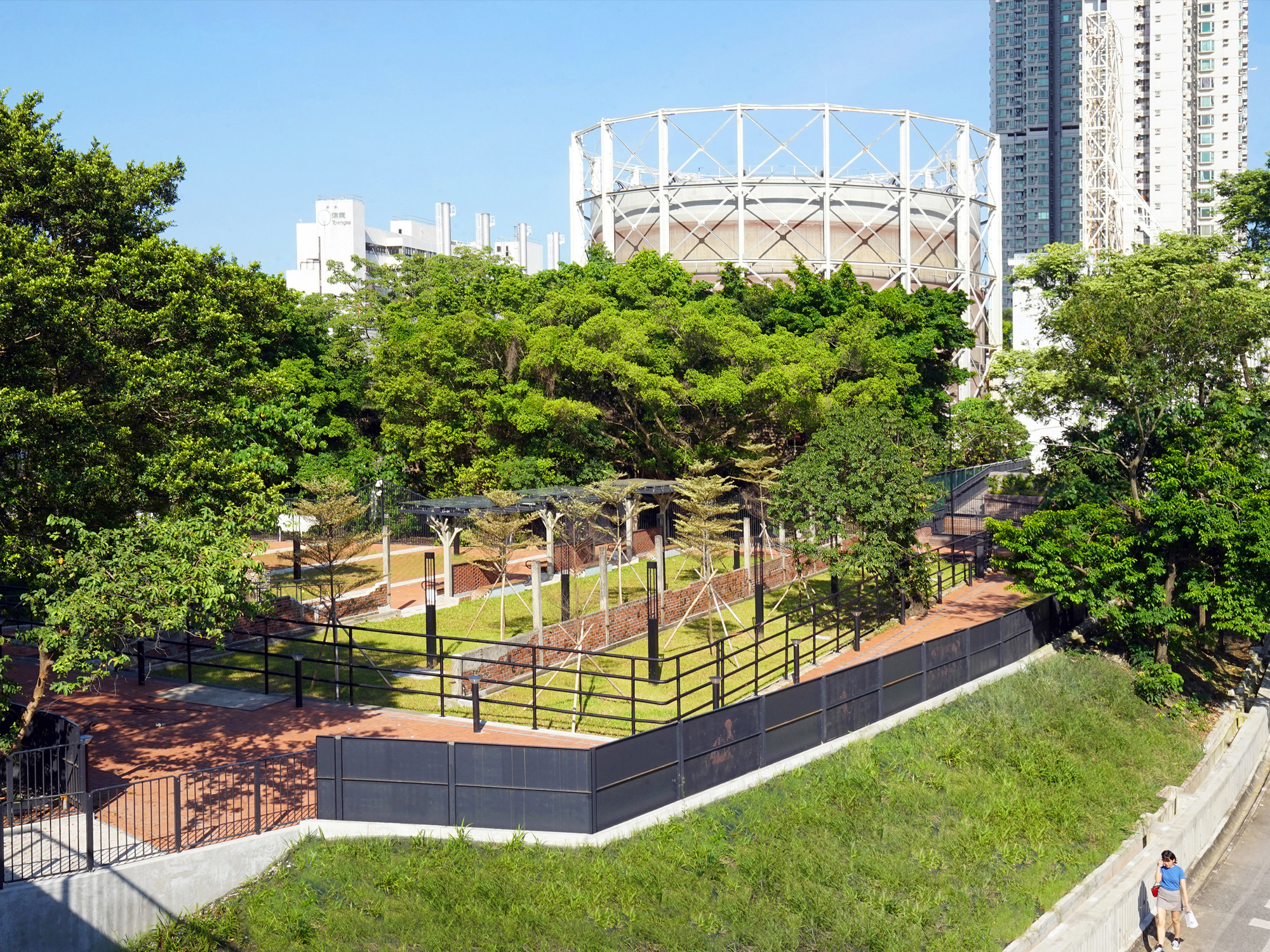
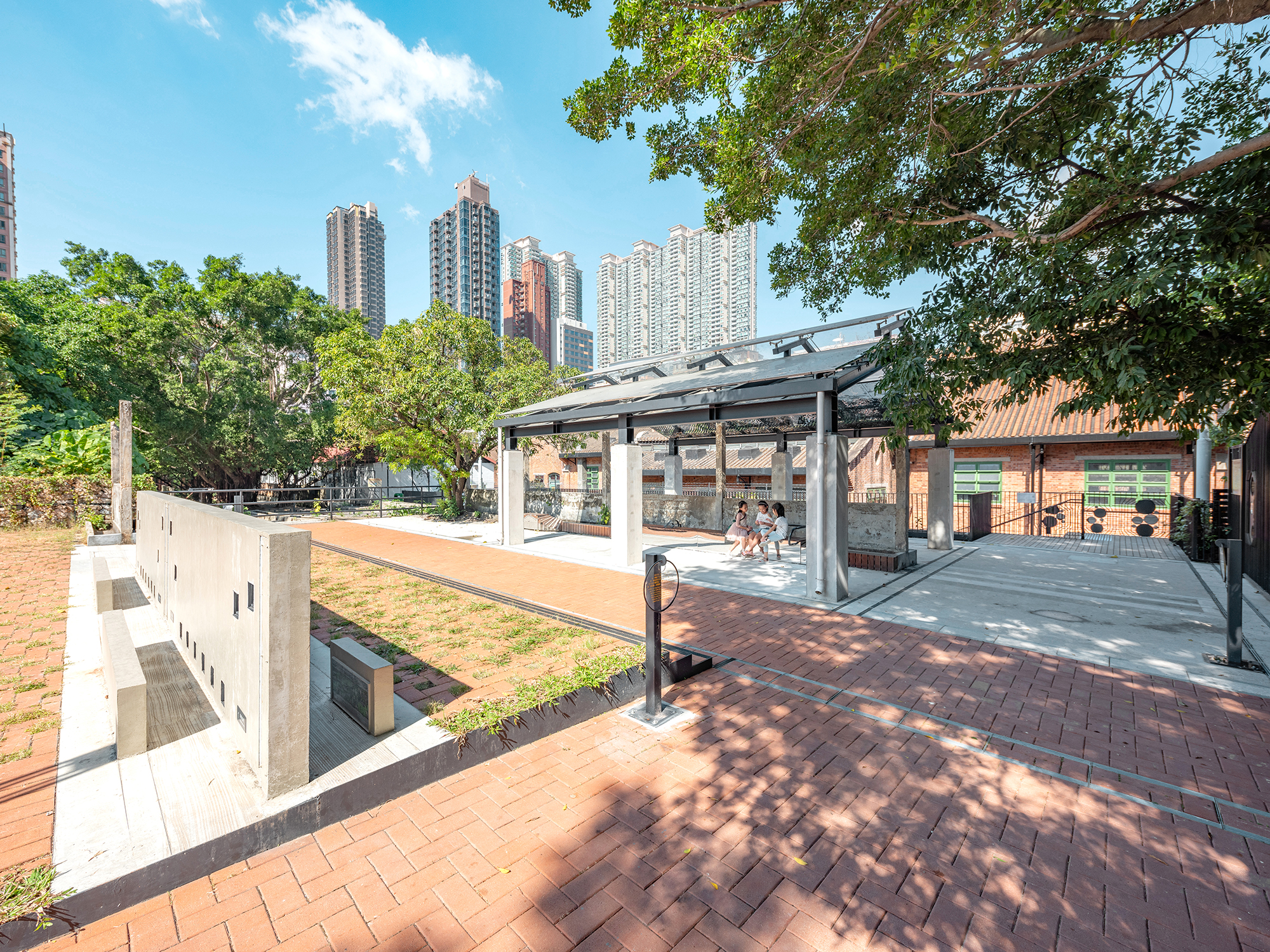
The Cattle Depot site was built in 1908 as a slaughter house and quarantine base. The Front Portion was renovated and converted into an Artist Village in 2001. The Rear Portion became abandoned since the entire Cattle Depot closed down in 1999. All roof structures of the sheds were demolished with the overall setting of the site, the columns of the sheds and the feeding troughs remained. Since then natural vegetation took over and became well integrated with the remaining structures. A unique place was formed and this spirit behind (transforming with nature) is respected as the guiding concept in designing the Park.
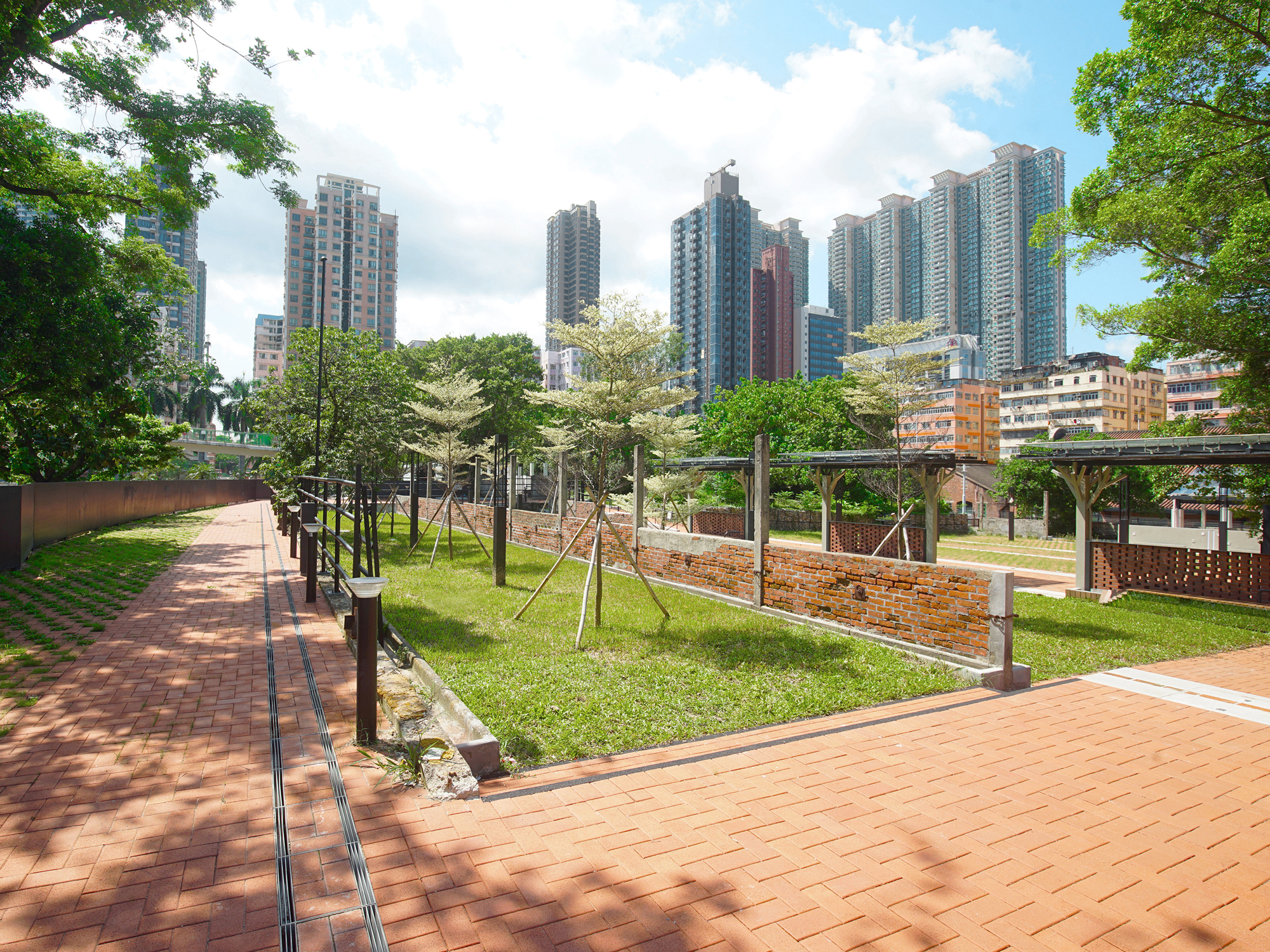
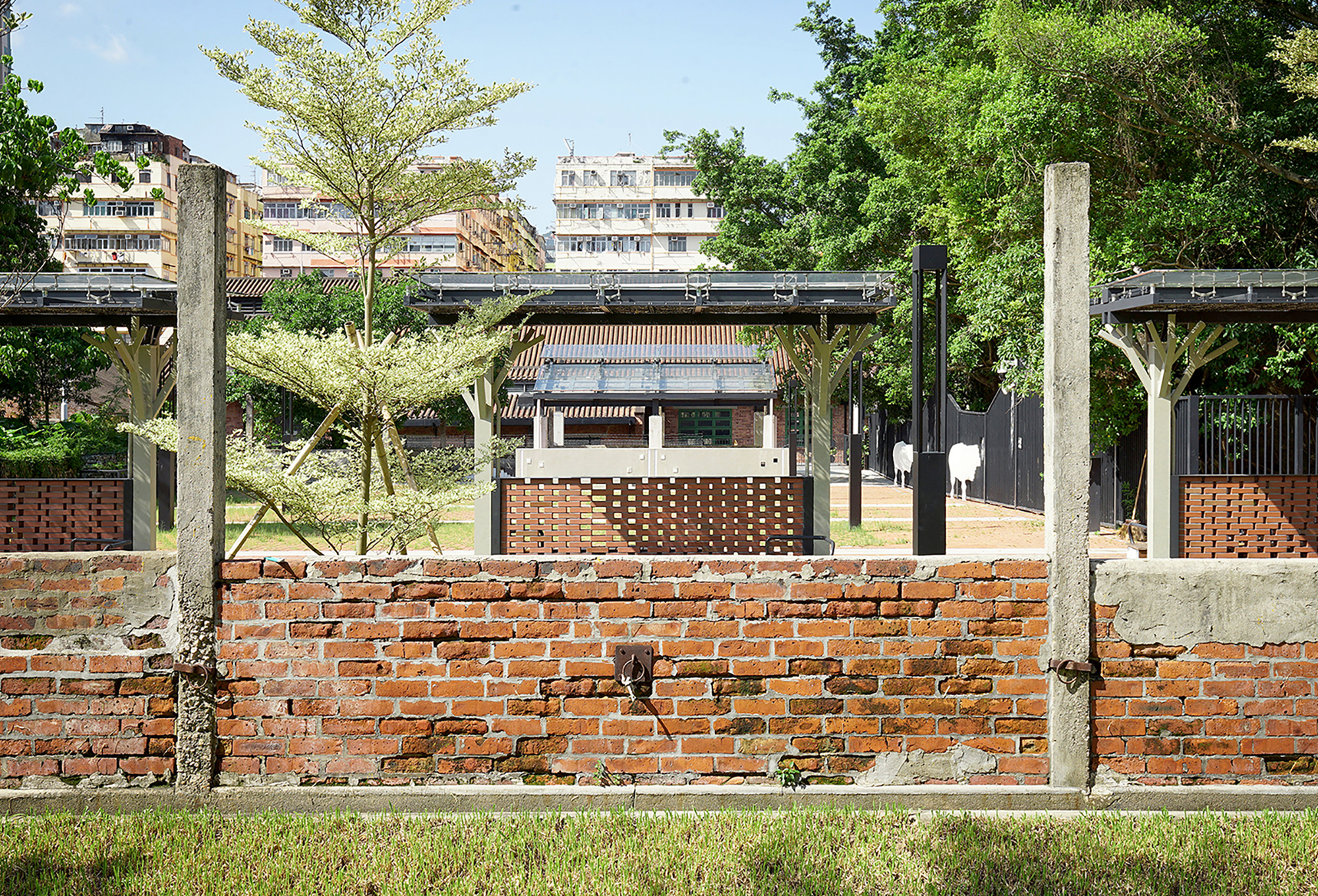
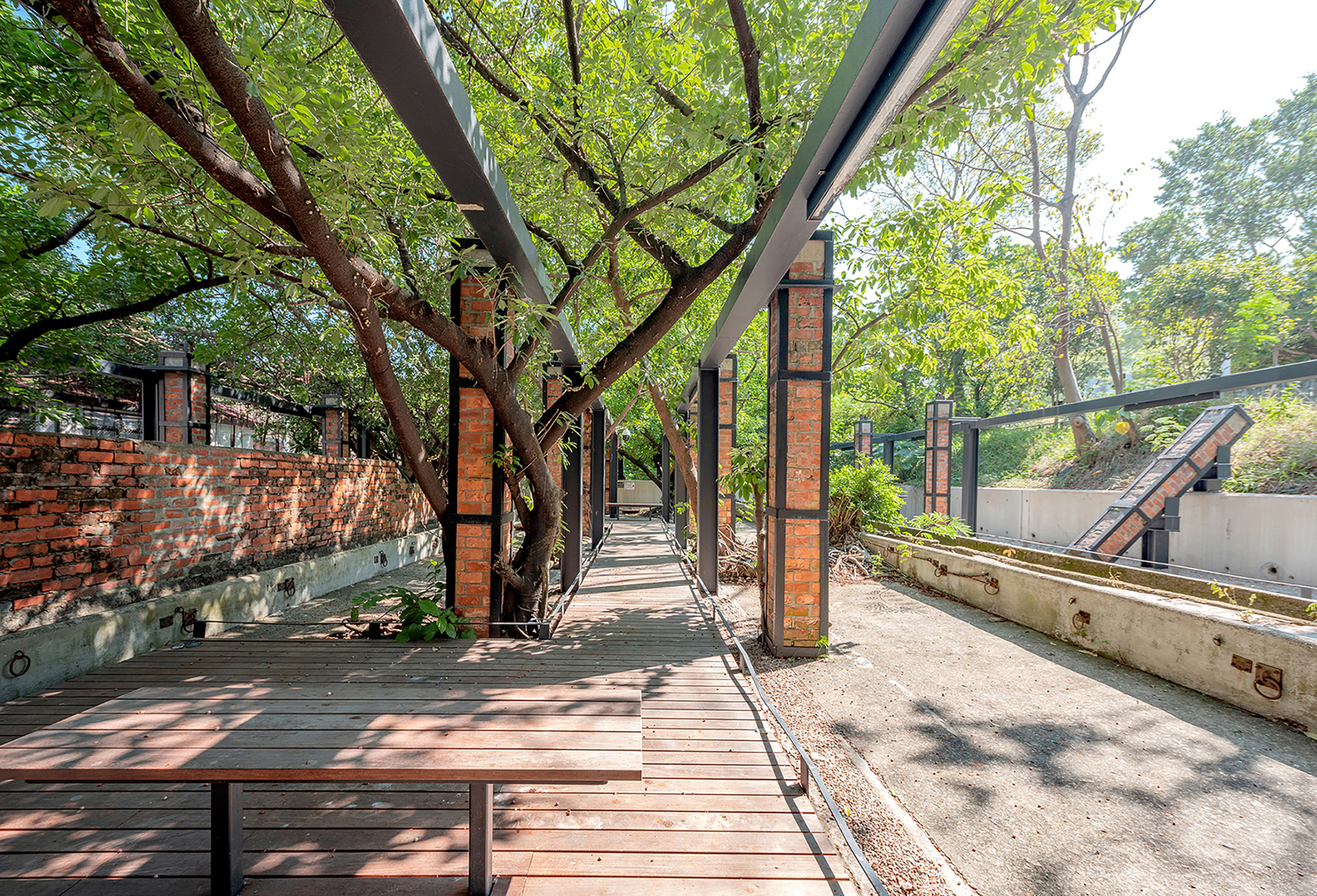
The design concepts are: (1) to follow the “Spirit” of the spectacular place of the site by integrating nature and architecture into a holistic entity; (2) to express the "Spirit" of the era by adopting new design and construction technologies; (3) to respect the existing heritage elements and the loci, to make the hidden entities visible again; (4) to stimulate the visitors to appreciate and experience the park environment from different viewpoints. Many character-defining elements (CDE) such as brick walls, columns and metal rings which remain in the Cattle Depot are duly preserved or revitalized for appreciation and interpretation. New architecture and park features are designed to enhance the visibility of the heritage setting and CDEs by introducing new angles of vision, such as overhead reflection, periscopic viewers, wide angle lenses, perforated panels, sculptural park furniture, etc.
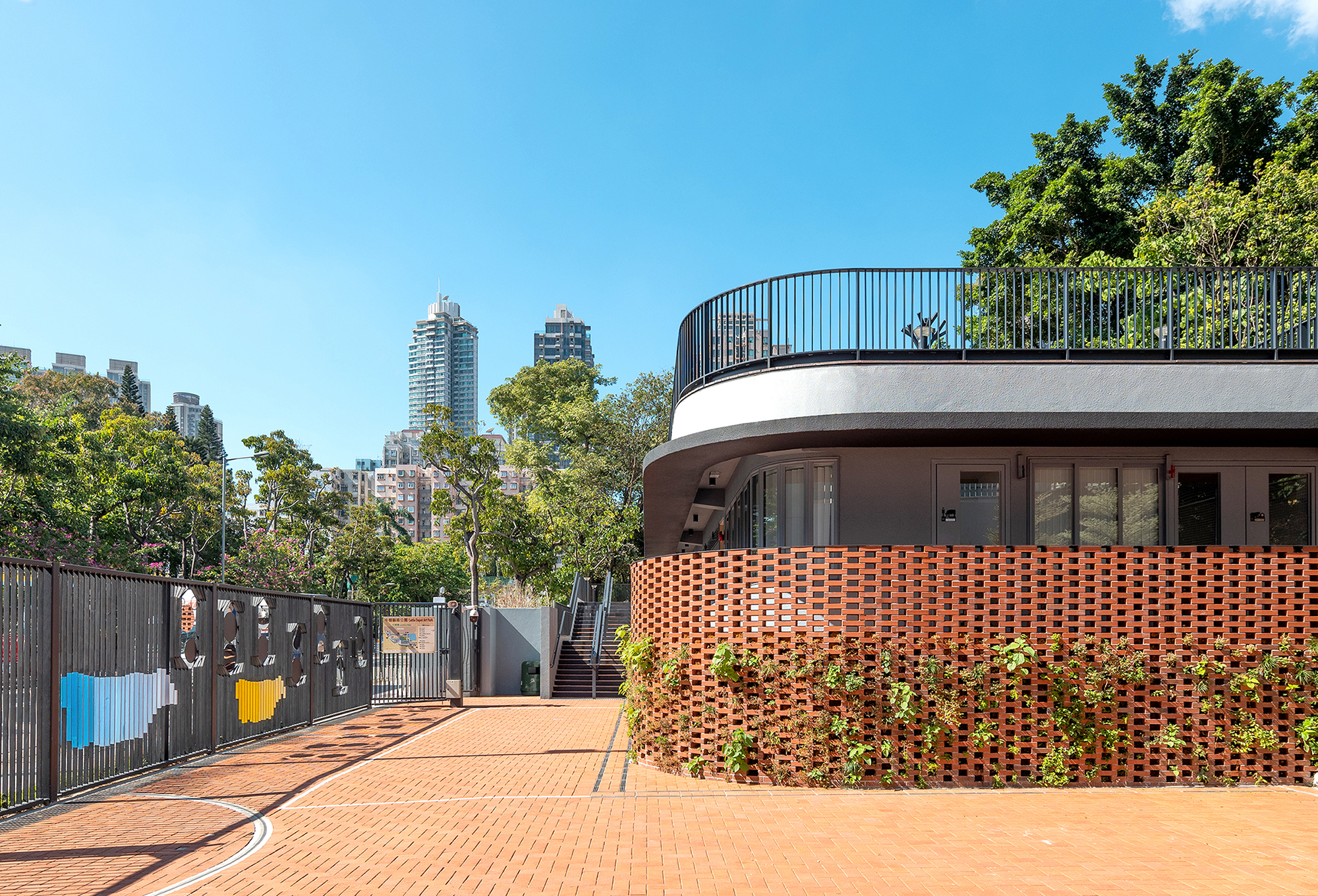
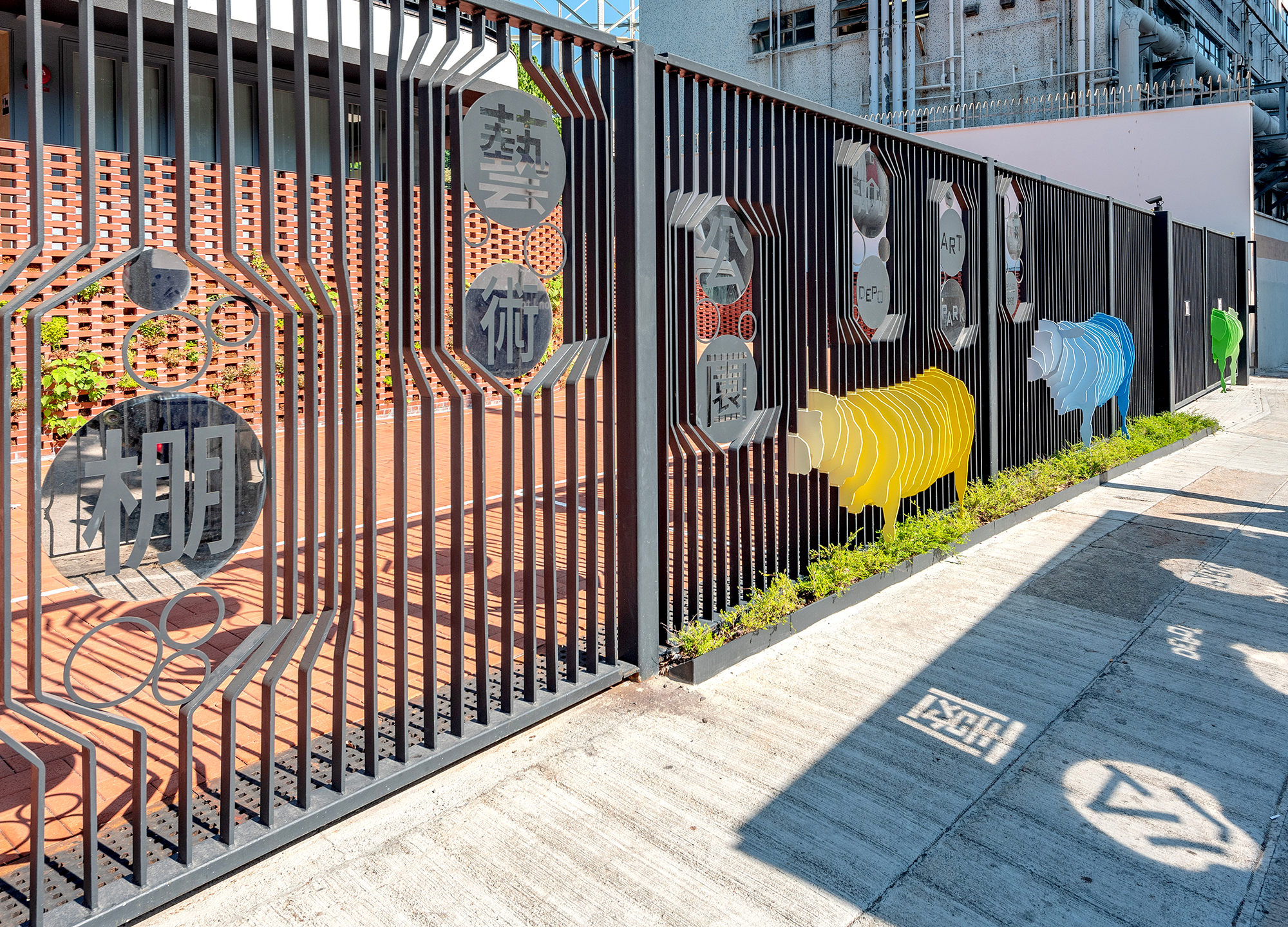
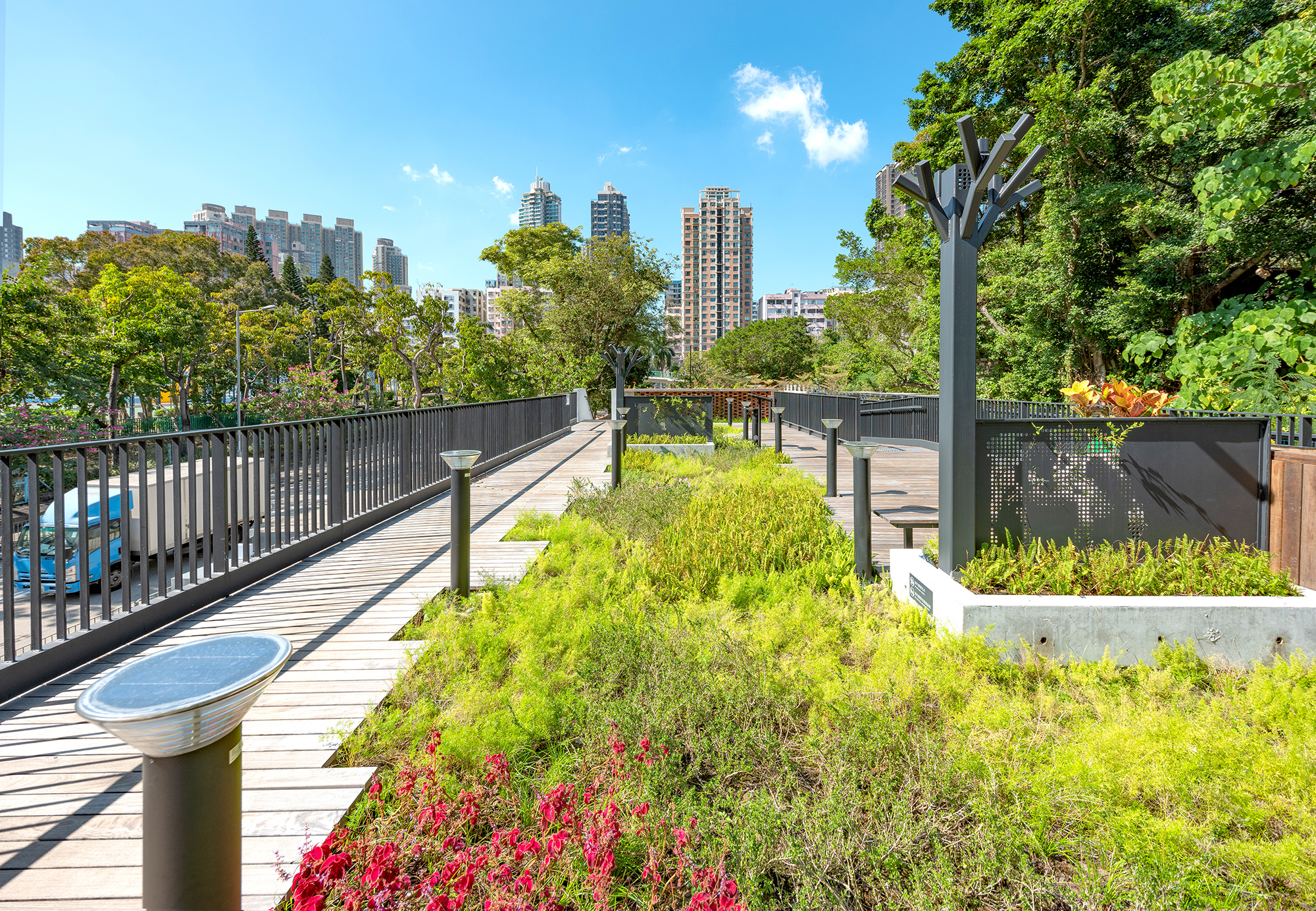
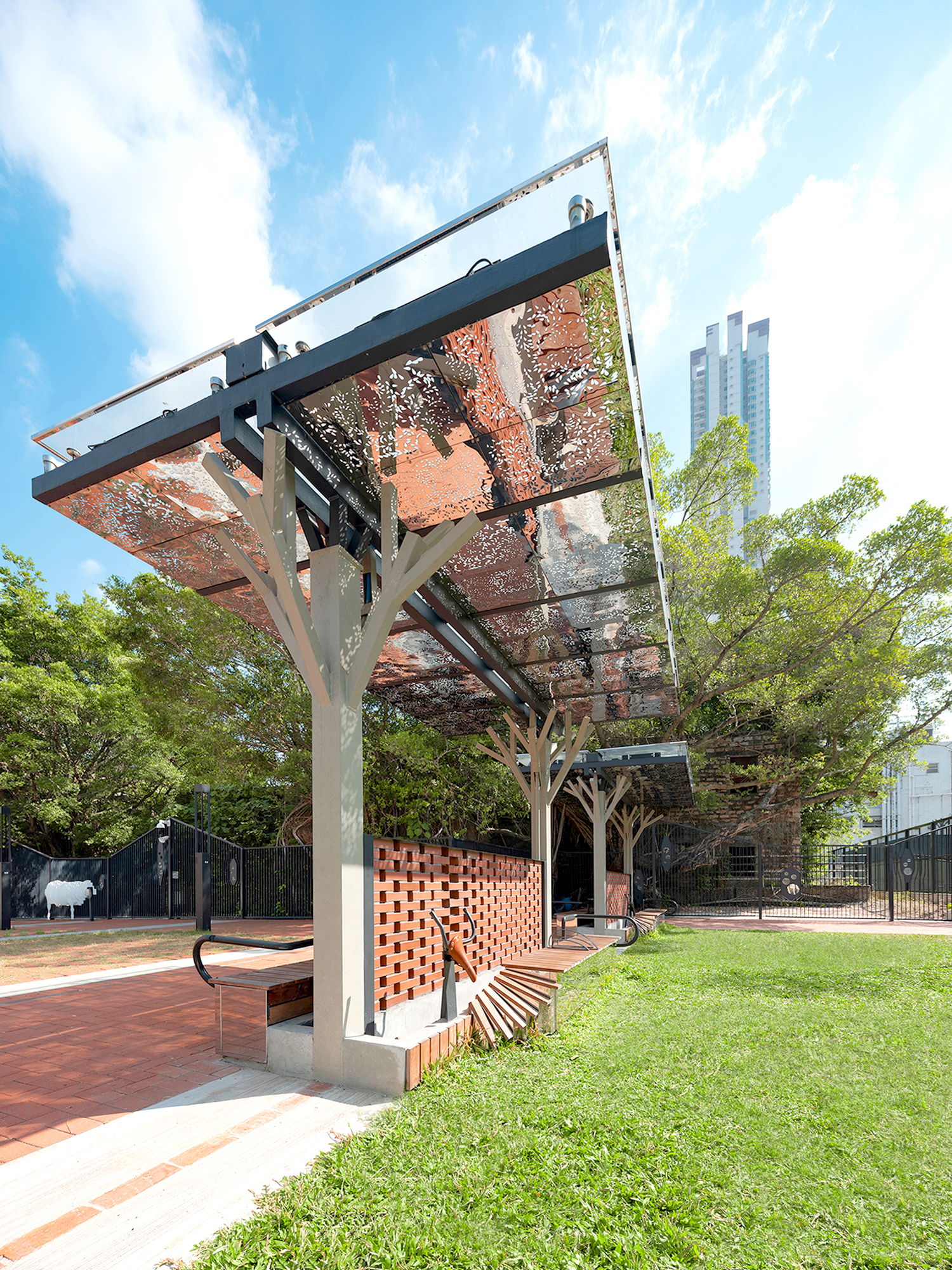
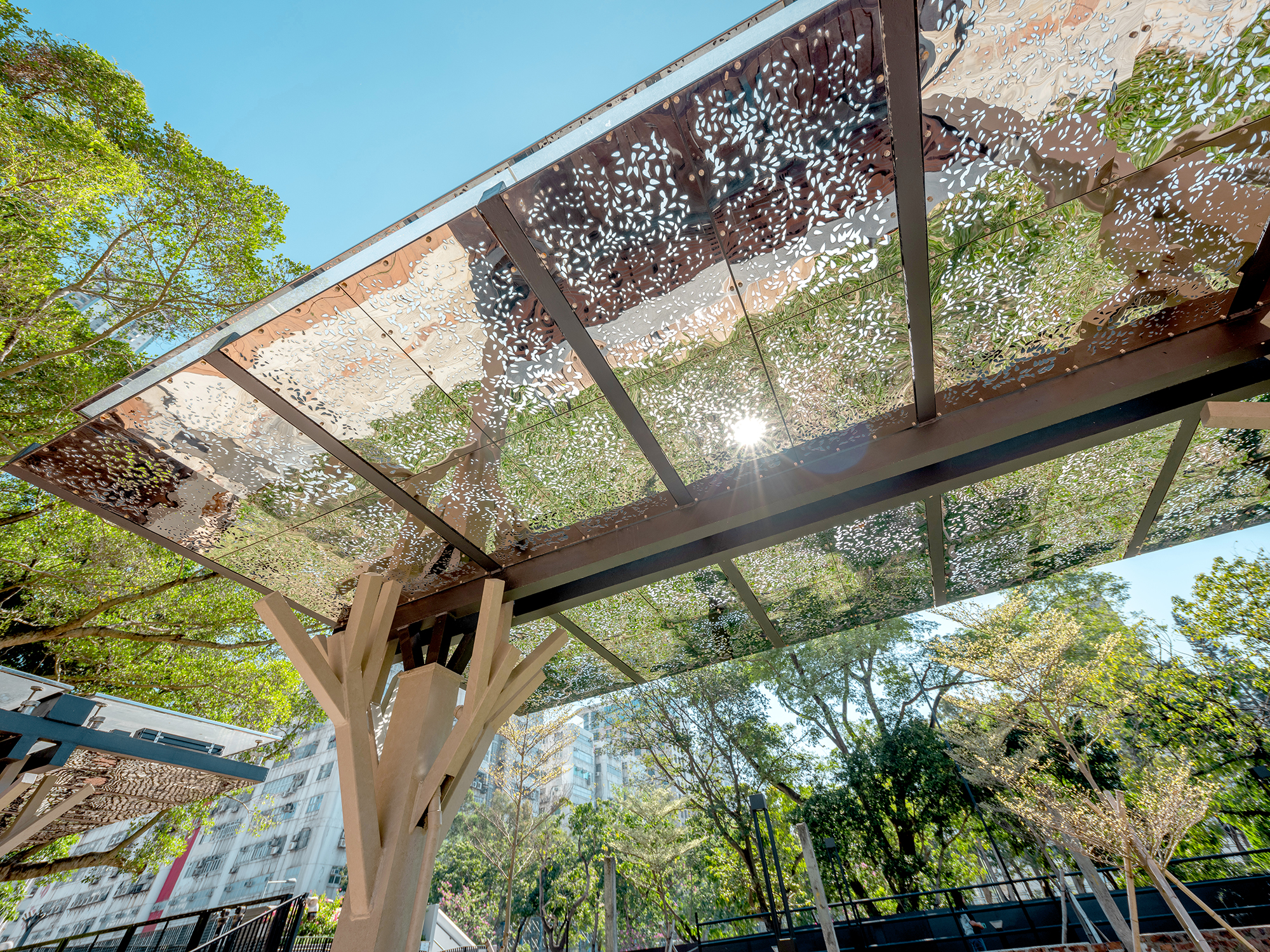
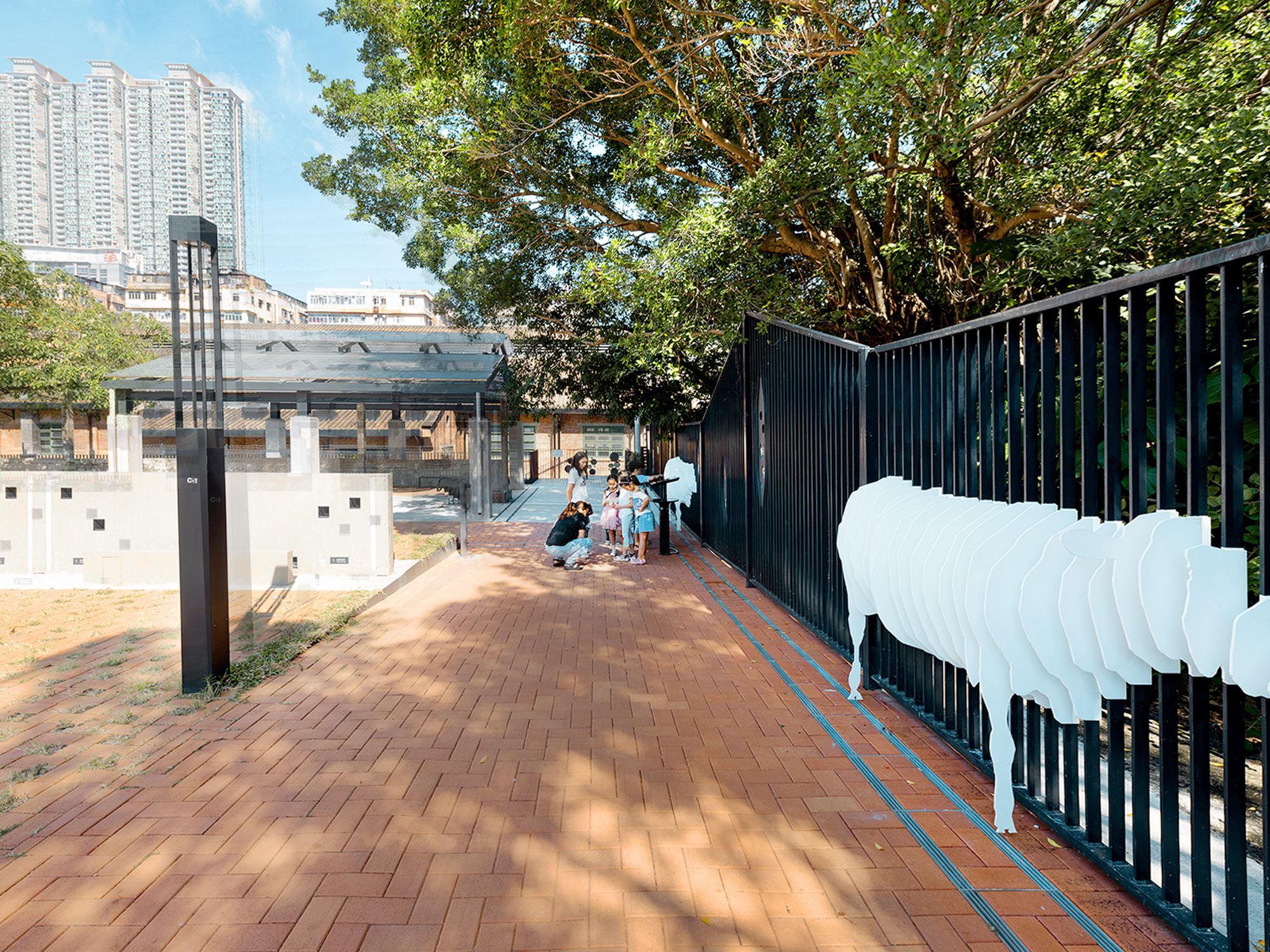
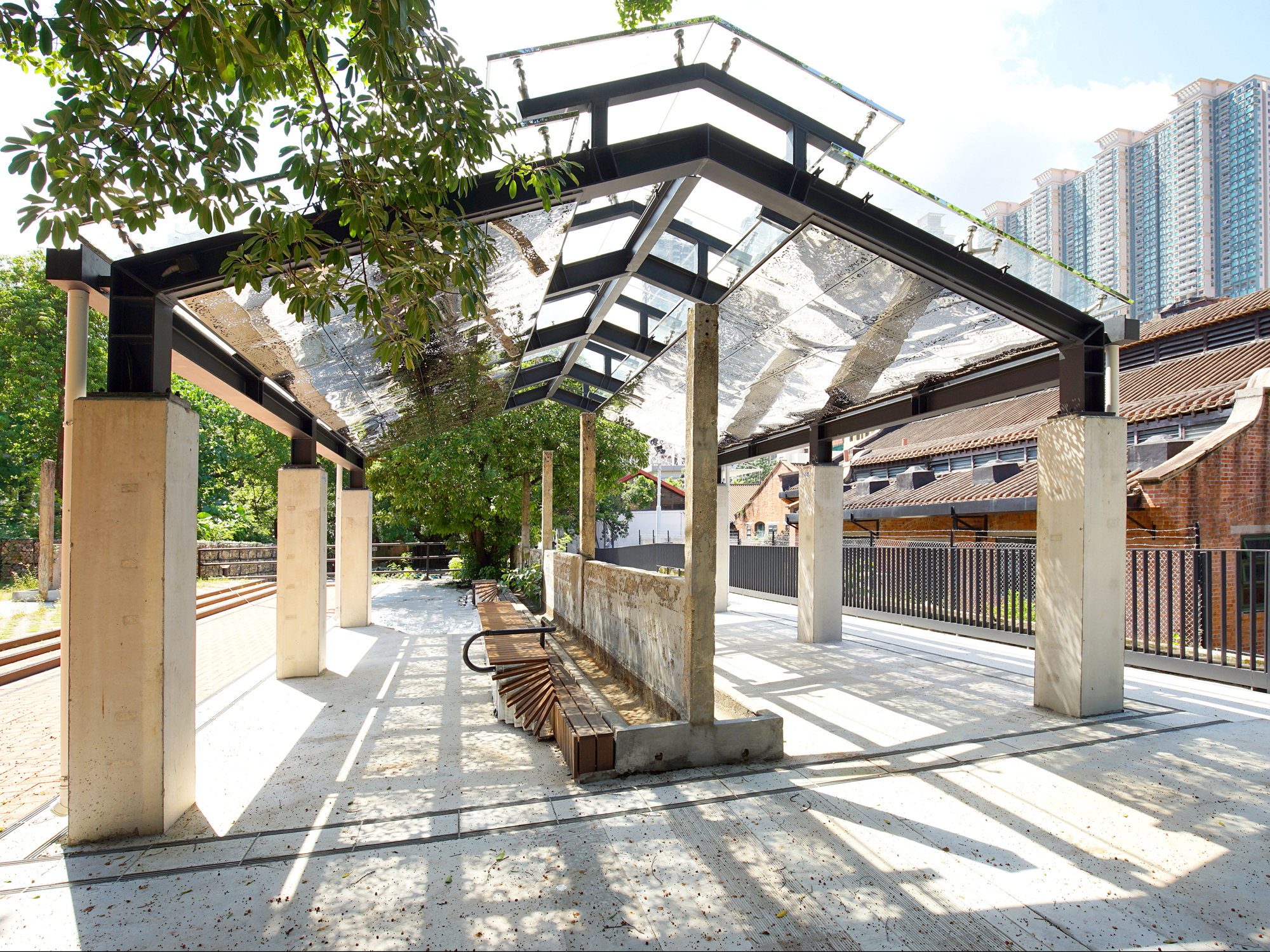
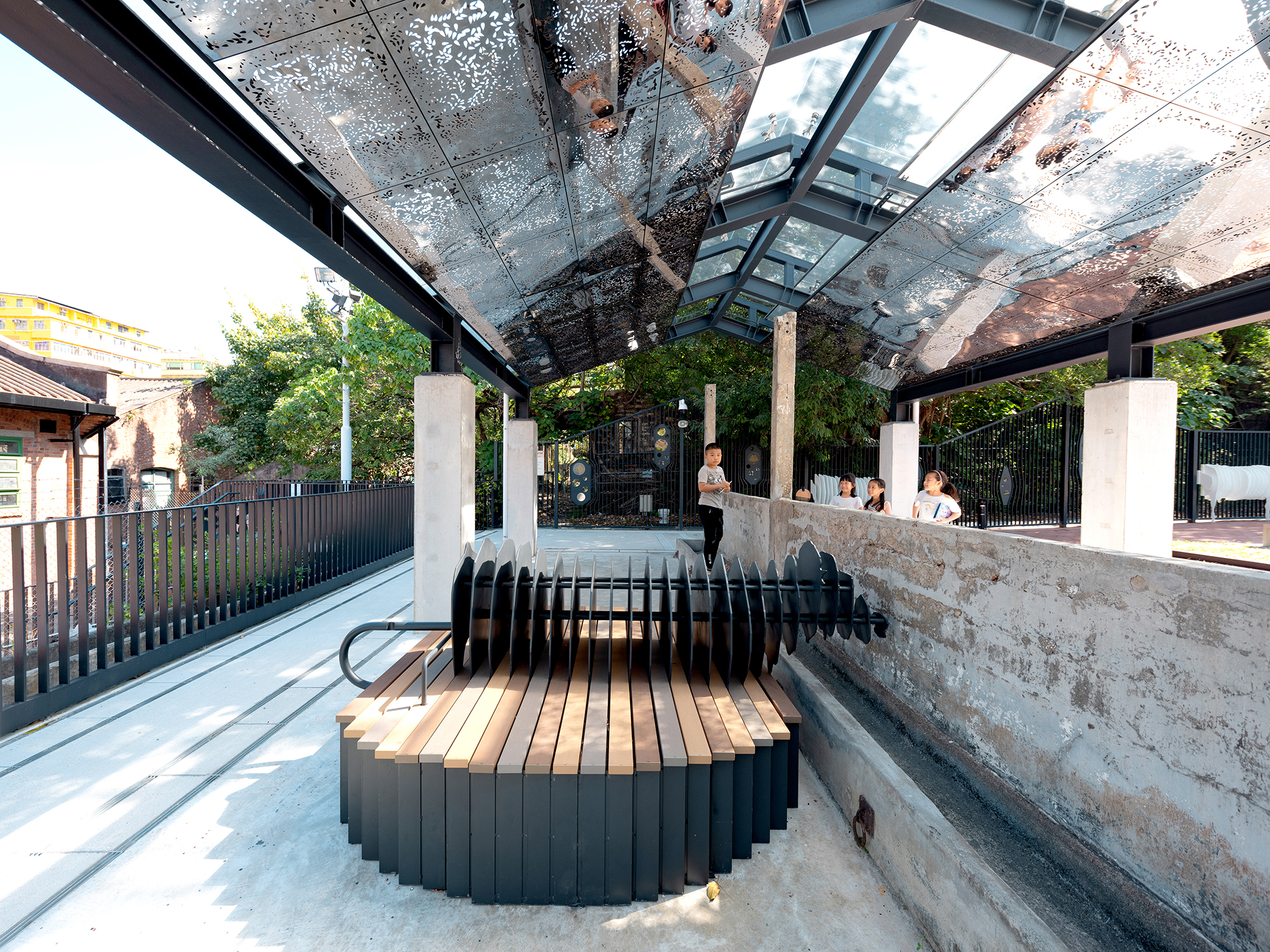
Besides preserving the existing landscape, new park features and solar powered light fittings are provided to provide shading to visitors, improve air quality, reduce the impact of rainfall onto the site and adjacent drainage system, mitigate heat island effect and provide a peaceful urban breathing space for the public: (a) Roof Garden - located at the top of the Park Office and in a landscape design where visitors can have panoramic view of the Art Park and its surroundings; (b) Planting Wall - a designed brick wall outside the Park Office, with spaces for growing vegetation which integrates architecture into nature; (c) Tree Shade Arbour & Light and Shadow Shelter - Newly added shelter with seating. The laser-drill leaf pattern of the metal plate covers creates a tree-shaded environment when sunlight filters down; (d) Amenity Lawn - provided at the central area of the Park. Before revitalization, a few sheds with structural concrete columns were present at this area; (e) The Lens Fence - designed as visual openings and installed with convex lenses, to enhance the visual impact of the adjacent relics; (f) Periscopic Wall - simulated the shape of existing low concrete wall and trough with amusing elements. Through reflection, visitors can appreciate bryophytes which originally grow in water troughs from a low-lying angle; (g) Park Hoarding - Cattle patterns were laser-drilled. When sunlight shine through, the silhouette would be cast on ground; and (h) Animal Bench - Sitting bench with 3D animal feature. Placed near the drinking trough, to express how the cattle used to drink water when they were in Cattle Depot.
The Cattle Depot site was built in 1908 as a slaughter house and quarantine base. The Front Portion was renovated and converted into an Artist Village in 2001. The Rear Portion became abandoned since the entire Cattle Depot closed down in 1999. All roof structures of the sheds were demolished with the overall setting of the site, the columns of the sheds and the feeding troughs remained. Since then natural vegetation took over and became well integrated with the remaining structures. A unique place was formed and this spirit behind (transforming with nature) is respected as the guiding concept in designing the Park.
The design concepts are: (1) to follow the “Spirit” of the spectacular place of the site by integrating nature and architecture into a holistic entity; (2) to express the "Spirit" of the era by adopting new design and construction technologies; (3) to respect the existing heritage elements and the loci, to make the hidden entities visible again; (4) to stimulate the visitors to appreciate and experience the park environment from different viewpoints. Many character-defining elements (CDE) such as brick walls, columns and metal rings which remain in the Cattle Depot are duly preserved or revitalized for appreciation and interpretation. New architecture and park features are designed to enhance the visibility of the heritage setting and CDEs by introducing new angles of vision, such as overhead reflection, periscopic viewers, wide angle lenses, perforated panels, sculptural park furniture, etc.
Besides preserving the existing landscape, new park features and solar powered light fittings are provided to provide shading to visitors, improve air quality, reduce the impact of rainfall onto the site and adjacent drainage system, mitigate heat island effect and provide a peaceful urban breathing space for the public: (a) Roof Garden - located at the top of the Park Office and in a landscape design where visitors can have panoramic view of the Art Park and its surroundings; (b) Planting Wall - a designed brick wall outside the Park Office, with spaces for growing vegetation which integrates architecture into nature; (c) Tree Shade Arbour & Light and Shadow Shelter - Newly added shelter with seating. The laser-drill leaf pattern of the metal plate covers creates a tree-shaded environment when sunlight filters down; (d) Amenity Lawn - provided at the central area of the Park. Before revitalization, a few sheds with structural concrete columns were present at this area; (e) The Lens Fence - designed as visual openings and installed with convex lenses, to enhance the visual impact of the adjacent relics; (f) Periscopic Wall - simulated the shape of existing low concrete wall and trough with amusing elements. Through reflection, visitors can appreciate bryophytes which originally grow in water troughs from a low-lying angle; (g) Park Hoarding - Cattle patterns were laser-drilled. When sunlight shine through, the silhouette would be cast on ground; and (h) Animal Bench - Sitting bench with 3D animal feature. Placed near the drinking trough, to express how the cattle used to drink water when they were in Cattle Depot.
Awards
HKICON Conservation Awards 2019
Interpretation Category - Winner
ArchSD Annual Award 2019-20
Special Award - Heritage Conservation
HKILA Professional Awards 2020
Merit Award
HKIUD The Greater Bay Area Urban Design Awards 2020
Built Project - Merit Award
Project Data
Location
39 San Shan Road, To Kwa Wan, Kowloon
Type
Park
Completion Year
2019
Client
Home Affairs Department
Site Area
About 6033 m2
GFA
About 314 m2
Project manager
Project Manager :
Architectural Services Department, HKSAR Government
Architect :
Architectural Services Department, HKSAR Government
Landscape Architect :
Architectural Services Department, HKSAR Government
Building Services Engineer :
Architectural Services Department, HKSAR Government
Electrical & Mechanical Services Engineer :
Architectural Services Department, HKSAR Government
Quantity Surveyor :
TLS & Associates Limited
Structural Engineer :
Architectural Services Department, HKSAR Government
Main Contractor :
Junic Construction Company Limited








_EN_85x50.png "Legislative Control of Cannabidiol (CBD)")